


Iraqi Prime Minister-designate Mustafa al-Kadhimi delivers a speech during the vote on the new government at the parliament headquarters in Baghdad, Iraq, May 7, 2020. Iraqi Parliament Media Office/Handout via REUTERS Mustafa al-Kadhimi was confirmed as prime minister of Iraq on May 6 and the task before him has rightly been called a suicide mission. There is hardly any nati
Read More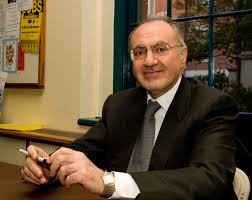
Prepared by Professor Ali A. Allawi Presentation to the US-Europe-Iraq Track II Dialogue Convened by the Atlantic Council and Konrad-Adenauer-Stiftung and supported by DT Institute March 2-4, 2020 in Berlin I Introduction The Theoretical Framework The nexus of administrative structures, organisations, laws, customs, and ideas are at the heart of economic transaction
Read More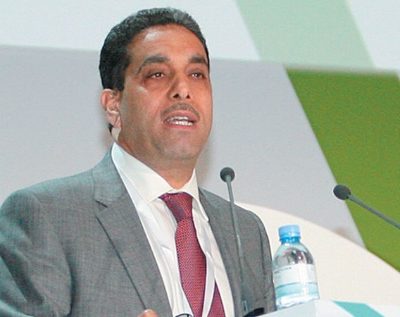
This article discusses an optimistic and realistic proposal to minimise the overall impact of the coronavirus global crisis on Iraq in the medium and long terms. It briefly describes the opportunities for Iraq post the crisis to be a self-reliant and prosperous nation if it harnesses the essential sustainable resources of people, water and fertile land as well its rich archaeo
Read More
The purpose of this extensive paper is to provide insight and advice to the new Iraqi Government. It particularly focuses on the political and economic backdrop to the country, with analysis and solutions from a private sector perspective. The papers authors are Professor Frank Gunter (lead author), Prof, Mohammed Al Uzri, Dr Renad Mansour, Mr Hani Akkawi, Mr Husse
Read More
Abstract In 1979 Iraq was a net creditor to the world, due to its large oil reserves and lack of external debt. Fifteen years later, its government debt-to-GDP was over 1,000%. At the time of the U.S. invasion in 2003, Iraq was saddled with around $130 billion in external debt that needed to be restructured. How does a country incur so much debt, so fast, and how does it ge
Read More