


EXECUTIVE SUMMARY As Iraq emerges from nearly four years of conflict and displacement, the security context remains unstable in many parts of the country. The COVID-19 outbreak in early 2020 brought fresh challenges, including closed borders, curfews and restrictions on movement. Forecasts predict a negative impact on livelihoods and employment, with the economy expected to
Read More
By Khalid Al-Ansary Iraq will offer barley for export for the first time after ample rains and price incentives spurred farmers to grow a surplus of the grain. The government plans to start auctioning 700,000 tons of the grain next week and anticipates interest from Gulf Arab states, Jordan and countries in North Africa, agriculture ministry spokesman Hameed Al-Nayef said
Read More
The economy of Iraq is mostly oil-dependent as oil revenues contribute to over two-thirds of the GDP and nearly most of the exports and government revenues. Investment in the oil sector has reached 66% of the total expenditure investment in 2017. The GDP of Iraq in 2019 has reached USD 234.09 Billion with an annual growth of 4.401%. The unemployment rate is 10.26% in men while
Read More
On September 6, Iraq’s Oil Minister Ihsan Abdul-Jabbar announced the ministry’s plans to build new refining units at Qayyara refinery south of Mosul. The plan to expand Qayyara is a part of Baghdad’s larger efforts to increase the country’s refining capabilities to 1.5 million barrels per day (bpd). Qayyara’s current processing capacity is 30,000 bpd and planners seek to incre
Read More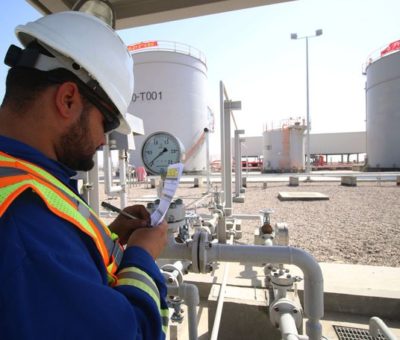
By Anthony Di Paola September 13, 2020, 2:43 PM GMT+3 Iraq cut pricing for all of its crude grades for sale to Asia and the U.S. for October, following similar reductions by Saudi Arabia and other Gulf producers and further signaling that a global demand rebound is faltering. Basrah Light crude for buyers in Asia will sell at the lowest level since June. Iraq’s state
Read More